Key Takeaways
- Your body detoxifies automatically: You do not need a special cleanse to remove toxins; your liver, kidneys, gut, skin, and lungs already run a continuous, round-the-clock detoxification process.
- Supplements can offer support: While no supplement magically flushes out toxins from your body, they can help support the body’s natural detoxification processes.
- NAC, milk thistle extract, spirulina, and pectin have the strongest evidence: Out of the most common detoxification aid supplements, N-acetylcysteine (NAC), milk thistle extract, spirulina, and pectin have the most consistent human clinical evidence for supporting detoxification processes.
- Activated charcoal carries significant medication risks: While activated charcoal is highly adsorbent, daily charcoal supplements have no proven health benefits and can indiscriminately bind to and block the absorption of medications as well as dietary supplements.
- Lifestyle changes provide the best detox support: Drinking plenty of water, prioritizing sleep, avoiding alcohol and sugar, eating a high fiber diet, and regular consumption of cruciferous vegetables are the most effective, evidence-backed ways to support your body's natural detoxification pathways.
Your body doesn't wait for a supplement to start detoxing. The liver breaks down toxins around the clock. The kidneys filter your entire blood volume every 30 minutes or so. Your skin, lungs, and gut all play a role, too. So the key with detoxification aid supplements is to look for those that support the body’s detoxification system
This guide covers seven of the most researched options, what the science actually shows for each, and where the evidence runs thin.
What Exactly Are "Toxins"?
The word toxin gets used loosely. In a strict sense, a toxin is any substance that can harm your cells or organs when present in high enough amounts — and as the physician and pioneer of toxicology, Paracelsus put it centuries ago, "the dose makes the poison." Under that definition, even water can be toxic in extreme excess.
In everyday detox marketing, "toxins" usually means a mix of:
- Environmental pollutants and heavy metals from air, water, and industrial exposure
- Food additives, pesticide residue, and preservatives
- Alcohol, nicotine, and recreational or prescription drugs taken in excess
- Gut-derived toxins from yeast and bacteria
The problem: most detox products never specify which toxin they're removing or how. That vagueness is one reason the National Center for Complementary and Integrative Health noted in a 2015 review that commercial detox and cleanse products are largely unsupported by clinical research, even though supporting your liver, kidneys, and gut through diet and lifestyle is a legitimate, evidence-backed goal.1
Why Does the Liver Matter So Much for Detoxification?
The liver is the primary organ of detoxification. It runs detoxification in two phases: Phase I enzymes (mainly the cytochrome P450 family) chemically modify toxins, and Phase II enzymes attach a molecule to that modified toxin so the body can flush it out through bile or urine. A liver under constant strain from alcohol, excess sugar, or certain medications has less capacity to do this job well. Reducing the strain of these stressors is a key aspect of supporting liver function and detoxification.
Which Natural Supplements Are Most Commonly Used for Detox Support?
1. N-Acetylcysteine (NAC)
NAC is one of the most scientifically supported compounds for maintaining the liver’s antioxidant and detoxification capacity because it supplies cysteine, a key precursor for glutathione. Glutathione is the body’s most important intracellular antioxidant and plays a central role in the liver’s Phase II detoxification processes. Glutathione helps neutralize reactive metabolites and supports the conversion of potentially harmful compounds into forms that can be eliminated through the bile or urine. By helping replenish glutathione stores, NAC supports the liver’s ability to manage oxidative stress generated during normal metabolism and detoxification processes.2,3
The clinical importance of NAC is most clearly demonstrated by its established use in clinical settings, where timely administration of NAC restores glutathione availability to support liver health during periods of extreme oxidative stress.4 Beyond this application, a significant amount o f clinical and experimental research indicates that NAC may support healthy liver function and help protect the liver and other tissues against oxidative injury associated with certain medications, alcohol exposure, pollutants, and toxic metals. These actions make NAC a well-supported nutritional ingredient for promoting glutathione production, antioxidant defense, normal liver function, and the body's natural detoxification pathways.2-4
2. Milk Thistle
Milk thistle (Silybum marianum) is one of the best-researched botanical ingredients for supporting liver health, kidney function, and the body's natural detoxification processes. Its active compounds, flavonoids collectively known as silymarin, possess powerful antioxidant and cell-protective properties that help shield liver cells from damage caused by toxins, alcohol, medications, and certain environmental pollutants. Silymarin also helps maintain healthy levels of glutathione, while supporting the activity of detoxification enzymes involved in neutralizing and eliminating potentially harmful compounds.5-7
Experimental research indicates that silymarin may support liver-cell repair by stabilizing cell membranes, reducing inflammatory signaling, and promoting protein synthesis. Clinical studies suggest potential benefits for certain measures of liver function, although results have varied depending on the liver condition, study population, extract, dosage, and treatment duration.5,6 By enhancing the liver's resilience and supporting its normal detoxification functions, milk thistle is often used alone or as a cornerstone ingredient in comprehensive formulas designed to support detoxification processes.
3. Spirulina
Spirulina is a nutrient-dense blue-green microalga rich in phycocyanin, carotenoids, chlorophyll-related pigments, vitamins, minerals, and antioxidant compounds. These constituents may help protect cells from oxidative stress and support normal inflammatory and immune responses. Experimental studies also suggest that spirulina may help reduce some of the oxidative damage associated with exposure to environmental contaminants and certain heavy metals.8,9
Limited human research suggests that spirulina may provide supportive benefits in everyday environmental stressors and contaminants.10,11
Worth knowing before you buy: Spirulina can accumulate contaminants from its cultivation environment, and contamination with heavy metals, pathogenic microorganisms, or microcystins from other cyanobacteria has been documented in some commercial products.12,13 Choose spirulina from manufacturers that provide lot-specific, third-party testing for lead, cadmium, mercury, arsenic, and microcystins rather than relying only on a general purity statement.
4. Pectin
Pectin is a soluble dietary fiber found naturally in apples, citrus fruits, and other plant foods. Its galacturonic acid-rich structure can bind certain positively charged compounds in the digestive tract. Laboratory and limited clinical research suggest that pectin, particularly modified citrus pectin, may help reduce the absorption or increase the fecal or urinary elimination of certain environmental compounds and heavy metals.14-16
Pectin also binds bile acids and helps carry them out of the body in the stool. Because the liver must use cholesterol to produce replacement bile acids, regular consumption of pectin and other soluble fibers may contribute to healthy blood cholesterol levels already within the normal range. This binding action may also reduce the intestinal reabsorption of toxic compounds excreted in bile, thereby supporting normal elimination through the gastrointestinal tract.17
In addition, pectin acts as a prebiotic fiber, fermented by beneficial gut bacteria into short-chain fatty acids, including butyrate. These compounds help nourish intestinal cells, support the integrity of the gut barrier, and promote a healthier microbial environment. Together, these actions make pectin a useful ingredient for supporting gastrointestinal health, regular elimination, cholesterol management, and the body’s normal pathways of intestinal waste removal.18
5. Psyllium
Psyllium is a gel-forming soluble fiber derived from the husks of the Plantago ovata plant. It is supported by substantial clinical research on improving bowel regularity and supporting cholesterol levels. When mixed with water, psyllium forms a viscous gel that increases stool water content and bulk, helping promote more comfortable and regular elimination.19,20
Psyllium also binds bile acids and carries them out of the body in the stool, which contributes to its well-established cholesterol-maintenance effect. It is best viewed as an intestinal elimination aid rather than as a direct chelator. Unlike pectin, psyllium does not have the same galacturonic acid-rich structure associated with metal binding. Its principal detoxification-related role is supporting regular bowel function and helping to efficiently move bile acids and intestinal waste out of the body.
6. Probiotics
The intestinal microbiome and gut barrier play important roles in limiting the passage of unwanted compounds from the digestive tract into the bloodstream. A healthy intestinal lining contains tightly regulated cell junctions that help control what is absorbed. Disruption of this barrier may allow increased movement of bacterial components and other compounds into circulation, including toxins, contributing to inflammation and metabolic stress.
Certain probiotic Lactobacillus and Bifidobacterium strains, as well as the beneficial yeast Saccharomyces boulardii, have been shown to support intestinal-barrier integrity, microbial balance, and normal immune responses.21-24 These benefits are strain-specific and cannot be assumed for every probiotic product. Probiotics do not directly remove toxins from the bloodstream, but selected strains may support the gastrointestinal environment and gut barrier as part of the body’s broader protective and elimination systems.
7. Activated Charcoal
Activated charcoal features a highly porous surface that adsorbs many compounds within the gastrointestinal tract. However, evidence does not support activated charcoal as a routine daily detoxification supplement.25
Activated charcoal can also adsorb orally administered medications and supplement ingredients, potentially reducing their absorption. This concern applies broadly to medications such as antidepressants, pain relievers, and oral contraceptives. For these reasons, activated charcoal is better suited to carefully selected acute situations than to regular daily use.
Are There Supplement Interactions or Groups Who Should Be Careful?
It is a good idea to mention any supplement you are taking to your prescribing physician, especially if you are taking any medication:
- Statins and other CYP450-cleared drugs: Milk thistle may inhibit liver enzymes (CYP3A4, CYP2C9) that clear statins, losartan, and several other prescription drugs. Human trial data suggest the real-world effect is usually small, but mention milk thistle to your prescriber if you're on any of these.
- Activated charcoal can affect the absorption of any oral medication, including birth control pills. Take activated charcoal at least 3 hours away from taking any prescription medication.
- Pregnancy and breastfeeding: Data is limited for most of these ingredients in pregnancy. Please consult with your health care provider if pregnant or breastfeeding.
- High-fiber additions like psyllium should be introduced gradually and with adequate water intake, since a sudden increase in fiber can worsen bloating or cramping in sensitive digestive systems.
How Detox Support Supplements Compare at a Glance
Supplement
| Primary Action | Key Caution
|
|---|
N-Acetylcysteine (NAC) | Boosts glutathione & antioxidants. | Generally advisable to take at least 1–2 hours apart from medications. |
Milk Thistle | Antioxidant & liver support. | May interact with medications; consult your healthcare provider before use. |
Spirulina | Antioxidant & nutrient-rich algae. | Must buy reputable brands to avoid heavy metals or toxins. |
Pectin | Binds to heavy metals and bile to promote their elimination; prebiotic | Generally advisable to take at least 1–2 hours apart from medications. |
Psyllium | Soluble fiber for bowel regularity. | Be sure to drink plenty of water. |
Probiotics | Supports gut barrier & microbiome. | Effectiveness depends on the specific strain used. |
Activated Charcoal | Binds substances in the digestive tract. | Can block the absorption of other medications. Take at least 3 hours away from any medication. |
Which Supplement Fits Your Goal?
This section maps the more common goals people have to the option with the best-matched evidence:
- If your goal is antioxidant support for normal liver function, N-acetylcysteine (NAC) is one of the better-supported options due to its role in glutathione production.
- If you're looking for a traditional herb for liver support, milk thistle has been studied for decades and is commonly used to support normal liver function.
- If you are concerned about heavy-metal exposure, pectin and spirulina may help, along with evaluation and treatment by a healthcare professional.
- If your primary goals are digestive health and detoxification, psyllium and probiotics may be the best fit, as they both support healthy bowel function and regular elimination.
These supplements can be combined without concern about interactions, except for activated charcoal.
What Are Typical Supplement Dosage Ranges?
None of these ingredients has an established RDA — they're not essential nutrients — so there's no single "correct" dose. These are the ranges most commonly seen on labels and used in the studies cited above, not a personal recommendation:
- NAC: 600 to 1,200 mg per day, often split into two doses.
- Milk thistle: 140 to 360 mg per day of an extract standardized to 70–80% silymarin.
- Spirulina: 4 to 8 g per day.
- Pectin: 3 to 5 g per day taken with a full glass of water, usually at night
- Psyllium: 3 to 5 g per day taken with a full glass of water, usually at night.
- Probiotics: dosing is measured in CFUs (colony-forming units) rather than milligrams and varies by strain — follow the specific product's label.
- Activated charcoal: 500 to 1,000 mg daily at least 3 hours away from any medication or dietary supplement.
Always start at the low end of any range, follow the product label, and check with a doctor before combining multiple supplements from this list or if you're on any prescription medication.
Where Should You Start If You're New to This?
If you're trying to decide where to actually begin, here are some guidelines:
- Start here: spirulina, psyllium, and probiotics — all have the most everyday, low-risk evidence and support systems (gut, elimination) that genuinely benefit from it.
- If you need additional liver support, add NAC and/or milk thistle, particularly if you drink alcohol regularly or take acetaminophen often — but treat it as support, not permission to continue either habit unchanged.
- If you are concerned about heavy metal exposure, consider adding pectin to your program.
What Lifestyle Habits Actually Support Your Body's Detox Systems?
Supplements are one small piece. Lifestyle habits have more research behind them for supporting your liver, kidneys, and gut day to day:
- Eat antioxidant-rich produce. Cruciferous vegetables like cabbage and broccoli support the liver's Phase I and Phase II detox enzymes directly — this is one of the better-evidenced "food as detox support" claims that actually holds up.
- Limit pesticide and additive exposure where practical. Choosing organic produce when accessible reduces one small but real source of chemical intake.
- Stay hydrated. Water is how your kidneys actually move waste out of the body — this is arguably the single most evidence-backed "detox" habit that exists, and it costs nothing.
- Prioritize sleep. The brain's glymphatic system clears metabolic waste primarily during sleep, which is part of why chronic sleep deprivation is linked to broader health decline.
- Eliminate alcohol intake. Given how much of the liver's detox capacity alcohol consumes, this is the highest-leverage change most people can make.
- Move regularly and eat adequate protein. Exercise supports circulation and sweat-based elimination, and adequate protein intake supplies the amino acids (including the building blocks for glutathione) that Phase II liver detoxification actually runs on.
- Consider short-term fasting with medical guidance. Intermittent or short water fasting can trigger autophagy — the body's process of clearing damaged cellular components — though this isn't the same as "flushing toxins," and extended fasting isn't appropriate for everyone, including people with diabetes or a history of disordered eating.
When Should You See a Doctor Instead of Trying to "Detox" at Home?
See a healthcare professional rather than relying on supplements if you notice:
- Yellowing of the skin or eyes (jaundice)
- Persistent fatigue, nausea, or abdominal pain, especially in the upper right abdomen
- Dark urine or pale stools
- Known or suspected heavy metal, chemical, or drug exposure
None of the ingredients above is a substitute for a medical evaluation if something is genuinely wrong with how your liver or kidneys are functioning.
The Bottom Line
Your body already runs a 24/7 detox operation through your liver, kidneys, gut, skin, and lungs. The most defensible use of natural supplements for detox is supporting that existing system — psyllium and probiotics for gut and elimination, NAC and milk thistle for liver support under normal conditions — rather than expecting any single product to remove toxins your body can't already handle. And for at least one ingredient on this list, turmeric, the safety picture has genuinely changed in the last few years, which is worth knowing before you add a high-absorption formula to your routine.
Explore iHerb's detox and cleansing supplement category to compare options, or browse individual ingredients like NAC, milk thistle, pectin, and psyllium to find the right form and dose for you.
Consult a healthcare professional before starting any new supplement, particularly if you're pregnant, nursing, managing a chronic condition, or taking prescription medication.
FAQ
Does the body actually need help detoxing?
No, your liver, kidneys, gut, skin, and lungs remove toxins continuously without outside help. What varies is how well those systems function, which is influenced by diet, alcohol intake, sleep, and medication use — not by whether you take a "detox" supplement.
Can activated charcoal detox my body from everyday toxins?
Not in the way it's often marketed. Activated charcoal is a highly adsorbent substance, but there's no clinical evidence that it removes everyday toxin exposure in healthy people, and it can bind to medications you're taking, reducing their effectiveness.
How long does it take to see results from detox supplements?
There's no clinically established timeline, because "detox" isn't a measurable clinical outcome, the way, say, cholesterol reduction is. Ingredients like psyllium may show digestive effects within days; others, like NAC or milk thistle, are studied over weeks to months for markers like liver enzymes.
Can I take activated charcoal with birth control pills?
Most guidance suggests taking activated charcoal at least 3 hours after your pill and 12 hours before the next dose, and using backup protection if you're unsure. Talk to your prescriber if you plan to use charcoal regularly.
What foods actually support detoxification?
Cruciferous vegetables (broccoli, cabbage, Brussels sprouts) support the liver's own detox enzyme pathways. Fiber-rich foods support elimination. Adequate water intake supports kidney filtration. These have more consistent evidence than most supplement claims.
Are detox teas and cleanses the same as these supplements?
Not necessarily. Many detox teas rely on laxative herbs (like senna) for a "cleansing" sensation that's really just increased bowel movement, not toxin removal — a different mechanism and a different risk profile than the ingredients covered here.
Who should avoid detox supplements entirely?
Pregnant or breastfeeding people, anyone with existing liver or kidney disease, and anyone on medications with narrow safety margins should talk to a doctor before starting any dietary supplement.
Can you take detox supplements every day?
Some of these (spirulina, probiotics, psyllium, NAC, pectin) are designed for daily use and have good safety records at typical doses. Others — like milk thistle extract and activated charcoal— carry more caution the longer and higher doses they're used,
Can detox supplements help with bloating?
Psyllium and probiotics are the two most likely to help here, and for a mechanistic reason — fiber and gut-bacteria balance directly affect bloating. Activated charcoal is sometimes marketed for bloating, too, but the evidence is weaker, and it carries the medication-binding risk covered above.
Do detox supplements help after drinking alcohol?
NAC has the most relevant research here, since it supports the same glutathione pathway your liver uses to process alcohol's byproducts. It won't prevent a hangover or offset heavy drinking, and it's not a substitute for moderating alcohol intake, but it does support and protect liver function.
Which detox supplement has the most research?
NAC has the deepest and most consistent human evidence among the supplements covered here as a detoxification aid.
References:
- National Center for Complementary and Integrative Health. "Detoxes" and "Cleanses": What You Need To Know. Updated February 2025. Accessed July 23, 2026. https://www.nccih.nih.gov/health/detoxes-and-cleanses-what-you-need-to-know
- Pedre B, Barayeu U, Ezeriņa D, Dick TP. The mechanism of action of N-acetylcysteine. Pharmacol Ther. 2021;228:107916. doi:10.1016/j.pharmthera.2021.107916.
- Tenório MCDS, Graciliano NG, Moura FA, Oliveira ACM, Goulart MOF. N-acetylcysteine (NAC): impacts on human health. Antioxidants (Basel). 2021;10(6):967. doi:10.3390/antiox10060967.
- Licata A, Minissale MG, Petta S, et al. N-acetylcysteine for preventing acetaminophen-induced liver injury: a comprehensive review. Front Pharmacol. 2022;13:828565. doi:10.3389/fphar.2022.828565.
- Gillessen A, Schmidt HHJ. Silymarin as supportive treatment in liver diseases: a narrative review. Adv Ther. 2020;37(4):1279-1301. doi:10.1007/s12325-020-01251-y.
- Malik A, Malik M, Qureshi S. Effects of silymarin use on liver enzymes and metabolic factors in metabolic dysfunction-associated steatotic liver disease: a systematic review and meta-analysis. Can Liver J. 2024 Feb 26;7(1):40-53. doi: 10.3138/canlivj-2023-0021. PMID: 38505782; PMCID: PMC10946183.
- Frounchi N, Mahmoodpoor F, Zakavi SS,et al. Nephroprotective Effects of Silymarin: A Systematic Review and Meta-Analysis. Biochemistry (Mosc). 2025 Aug;90(8):1140-1152. doi: 10.1134/S0006297925600565. PMID: 40886393.
- Karkos PD, Leong SC, Karkos CD, Sivaji N, Assimakopoulos DA. Spirulina in clinical practice: evidence-based human applications. Evid Based Complement Alternat Med. 2011;2011:531053. doi:10.1093/ecam/nen058.
- Mohiti S, Zarezadeh M, Naeini F, et al. Spirulina supplementation and oxidative stress and pro-inflammatory biomarkers: A systematic review and meta-analysis of controlled clinical trials. Clin Exp Pharmacol Physiol. 2021 Aug;48(8):1059-1069. doi: 10.1111/1440-1681.13510.
- Bhattacharya S. The role of spirulina (Arthrospira) in the mitigation of heavy-metal toxicity: an appraisal. J Environ Pathol Toxicol Oncol. 2020;39(2):149-157. doi:10.1615/JEnvironPatholToxicolOncol.2020034375.
- Misbahuddin M, Islam AZMM, Khandker S, Mahmud IA, Islam N, Anjumanara. Efficacy of spirulina extract plus zinc in patients of chronic arsenic poisoning: a randomized placebo-controlled study. Clin Toxicol (Phila). 2006;44(2):135-141. doi:10.1080/15563650500514445.
- Al-Dhabi NA. Heavy metal analysis in commercial spirulina products for human consumption. Saudi J Biol Sci. 2013;20(4):383-388. doi:10.1016/j.sjbs.2013.04.006.
- Rhoades J, et al. Microbiota and cyanotoxin content of retail spirulina supplements and spirulina-supplemented foods. Microorganisms. 2023;11.
- Wang R, Liang R, Dai T, Chen J, Shuai X, Liu C. Pectin-based adsorbents for heavy metal ions: A review. Trends Food Sci Technol. 2019;91:319-329. doi:10.1016/j.tifs.2019.07.033.
- Loffet D, Alinova N, et al. Nutrition and health effects of pectin: A systematic scoping review of human intervention studies. Nutr Res Rev. 2024;37(1):1-37
- Zhao ZY, Liang L, Fan X, et al. The role of modified citrus pectin as an effective chelator of lead in children hospitalized with toxic lead levels. Altern Ther Health Med. 2008;14(4):34-38.
- Brown L, Rosner B, Willett WW, Sacks FM. Cholesterol-lowering effects of dietary fiber: a meta-analysis. Am J Clin Nutr. 1999;69(1):30-42. doi:10.1093/ajcn/69.1.30.
- Beukema M, Faas MM, de Vos P. The effects of different dietary fiber pectin structures on the gastrointestinal immune barrier: impact via gut microbiota and direct effects on immune cells. Exp Mol Med. 2020;52(9):1364-1376.
- van der Schoot A, Drysdale C, Whelan K, Dimidi E. The effect of fiber supplementation on chronic constipation in adults: an updated systematic review and meta-analysis of randomized controlled trials. Am J Clin Nutr. 2022;116(4):953-969. doi:10.1093/ajcn/nqac184.
- Gibb RD, McRorie JW Jr, Russell DA, Hasselblad V, D’Alessio DA. Psyllium fiber improves glycemic control proportional to loss of glycemic control: a meta-analysis of data in euglycemic subjects, patients at risk of type 2 diabetes mellitus, and patients being treated for type 2 diabetes mellitus. Am J Clin Nutr. 2015;102(6):1604-1614. doi:10.3945/ajcn.115.106989.
- Zheng Y, Zhang Z, Tang P, Wu Y, Zhang A, Li D. Probiotics fortify intestinal barrier function: a systematic review and meta-analysis of randomized trials. Front Immunol. 2023;14:1143548. doi:10.3389/fimmu.2023.1143548.
- DiMattia Z, et al. Effect of probiotic supplementation on intestinal permeability in human and animal studies: a systematic review. Nutrients. 2024.
- Terciolo C, Dapoigny M, Andre F. Beneficial effects of Saccharomyces boulardii CNCM I-745 on clinical disorders associated with intestinal barrier disruption. Clin Exp Gastroenterol. 2019;12:67-82. doi:10.2147/CEG.S181590.
- Pais P, Almeida V, Yılmaz M, Teixeira MC. Saccharomyces boulardii: what makes it tick as successful probiotic? J Fungi (Basel). 2020;6(2):78. doi:10.3390/jof6020078.
DISCLAIMER:
These statements have not been approved by the Food and Drug Administration. These products are not intended to diagnose, treat, cure or prevent disease.















































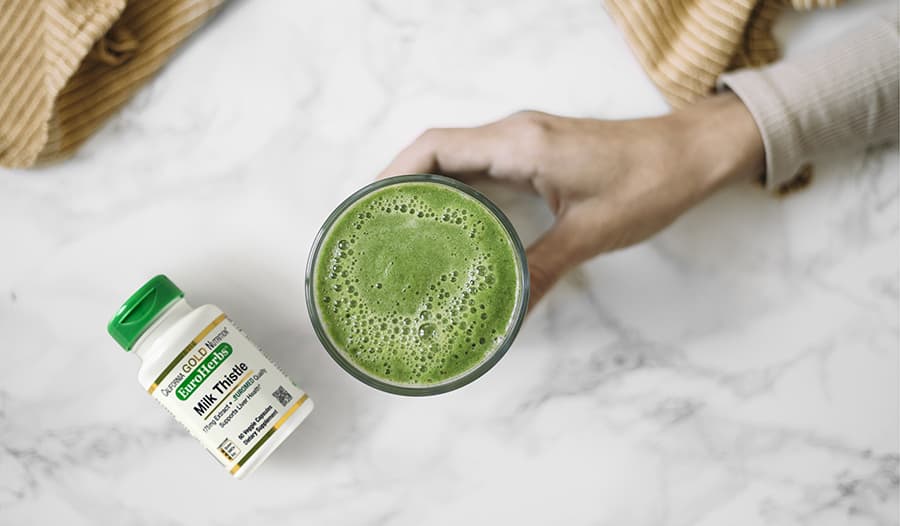
 Table of Contents