Key Takeaways
- Healthy snacks often combine multiple nutrients: Protein, fiber, and healthy fats are commonly paired to help support fullness and balance.
- Whole foods are frequently highlighted in snack routines: Fruits, vegetables, nuts, seeds, yogurt, and whole grains are common go-to options.
- Preparation can make nutritious choices more convenient: Prepping snacks ahead of time may help support consistency during busy days.
- Snacking styles can vary by preference and goals: Higher-protein, plant-based, and lower-sugar options may all fit into different eating patterns.
- Variety is often encouraged: Rotating ingredients and snack types may help support more balanced nutrient intake.
Snacking is often thought of as a bad habit because it’s associated with foods labeled as “junk.” With a little practice, you can unlearn this negative association. Snacks are an important part of a daily diet!
With intentional choices and a little planning, eating between meals can be beneficial to your health. For example, eating smaller portions between meals can help you get all the nutrients your body needs and prevent overeating throughout the day. Snacking can help you power through an afternoon slump and keep your mood up on a busy day.
Just like dietary needs differ from person to person, so do snacking habits. These can change daily depending on things like activity level, age, and health status. It can be tough to know what to snack on with so many available options.
Healthy Snacking Ideas from Registered Dietitians
Think of snacks as small meals
Eating snacks that have multiple nutrients or food groups can help fill nutrient gaps in your diet, keep blood sugar stable, and keep you feeling satisfied longer. This is what a snack is meant to do! It should keep you satisfied with a comfortable level of hunger at your next mealtime.
Fruit, for example, is a great snack. However, it’s mostly made up of carbohydrates, which may leave you feeling hungry soon after your snack. This can lead to more snacking before a meal and ultimately, overeating. Get more bang for your buck by pairing carbohydrate foods like fruit with another food that contains protein and/or fat, like nuts or nut butter. Try these wholesome snack combinations:
- Fresh vegetables or vegetable crisps with hummus or guacamole
- Low-fat cottage cheese and fruit
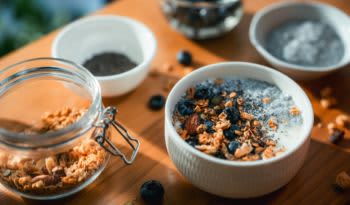
- Low-fat Greek yogurt and low-sugar granola
- Fresh or freeze-dried fruit and nuts
- Cheese and whole-grain crackers
- Half of a sandwich or wrap
- Whole-grain bread with nut butter
- Boiled egg and fruit or a vegetable
Control portions
Snacks are meant to be smaller portions than meals, but it can be easy to overeat. Bite-sized foods like nuts and crackers are common culprits of this. Using single-serve items or pre-packaging your favorite snacks can help keep your portions snack-sized. Measuring out a portion size of your snack into a bowl rather than eating out of the package is another strategy to prevent mindless eating.
Check out USDA MyPlate for information about serving sizes for each food group. Keep in mind that appropriate portion sizes vary from person to person and do not always align with the serving size on a nutrition label. Try these items in single servings for easy portion-controlled grab-and-go snacks:
- Guacamole or mashed avocado
- Hummus
- Yogurt
- Nuts
- Cheese cubes/sticks
- Cottage cheese
- Meat sticks
- Crackers
- Nut butters
- Bars (Look for something around 200 calories with more fiber and protein than added sugar grams.)
Fiber is your friend
According to the Dietary Guidelines for Americans, 2020-2025, more than 90% of women and 97% of men do not meet the recommended daily intake of fiber, which is 25g for women and 38g for men. Fiber has many health benefits, including reducing cholesterol and risk for diabetes and supporting healthy digestion.
Choosing high fiber foods to snack on is a great way to boost your daily intake. A fiber-rich snack takes longer to eat and digest, which is perfect to hold you over until your next meal. Look for snacks with at least 3g of fiber and make sure to drink plenty of water with them. Snacks that fit the fiber bill:
- Fruits
- Vegetables
- Nuts
- Pumpkin seeds
- Whole wheat crackers
- Popcorn
- Oatmeal/oats
- Roasted chickpeas
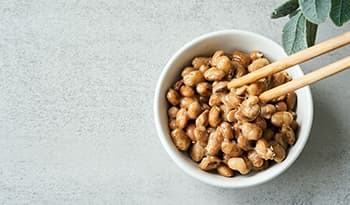
- Edamame
Think ahead
Planning your snacks can prevent grabbing convenience foods that are typically high-calorie and high-sodium. You can control your food environment by having a healthy snack prepared and ready to go when you need it. It’s easier to make a healthy choice if it’s readily available. Keep snacks in the places you tend to snack, like at work or in your car. Some shelf-stable options to stock would be nuts, low-sugar trail mix, freeze-dried fruit, and vegetable crisps.
Be mindful
We snack for many reasons, and sometimes it’s not because we’re hungry. One way to practice mindfulness when snacking is to ask yourself, "Why am I snacking?" Am I bored? Stressed? Someone told me I need to snack between every meal. Am I hungry?
If you are truly hungry, snack. Savor and enjoy your snack! If you notice you are snacking out of boredom or stress often, work on finding other things to do in those situations. Remember, snacking is individual and can change daily. Your body tells you what it needs each day!
References:
- Barber, T. M., Kabisch, S., Pfeiffer, A. F. H., & Weickert, M. O. (2020). The health benefits of dietary fibre. Nutrients, 12(10), Article 3209.
- Gamage, H. K. A. H., Chong, Raymond. W. W., Bucio-Noble, D., Kautto, L., Hardikar, A. A., Ball, M. S., Molloy, M. P., Packer, N. H., & Paulsen, I. T. (2020). Changes in dietary fiber intake in mice reveal associations between colonic mucin O-glycosylation and specific gut bacteria. Gut Microbes, 12(1), Article 1802209.
- Ho, H. V. T., Jovanovski, E., Zurbau, A., Blanco Mejia, S., Sievenpiper, J. L., Au-Yeung, F., Jenkins, A. L., Duvnjak, L., Leiter, L., & Vuksan, V. (2017). A systematic review and meta-analysis of randomized controlled trials of the effect of konjac glucomannan, a viscous soluble fiber, on LDL cholesterol and the new lipid targets non-HDL cholesterol and apolipoprotein B. The American Journal of Clinical Nutrition, 105(5), 1239–1247.
- U.S. Department of Agriculture. (n.d.). MyPlate. U.S. Department of Agriculture.
- U.S. Department of Agriculture & U.S. Department of Health and Human Services. (2020). Dietary guidelines for Americans, 2020-2025 (9th ed.). https://www.dietaryguidelines.gov/sites/default/files/2020-12/Dietary_Guidelines_for_Americans_2020-2025.pdf
- Weickert, M. O., & Pfeiffer, A. F. H. (2008). Metabolic effects of dietary fiber consumption and prevention of diabetes. The Journal of Nutrition, 138(3), 439–442.
DISCLAIMER:
These statements have not been approved by the Food and Drug Administration. These products are not intended to diagnose, treat, cure or prevent disease.

















































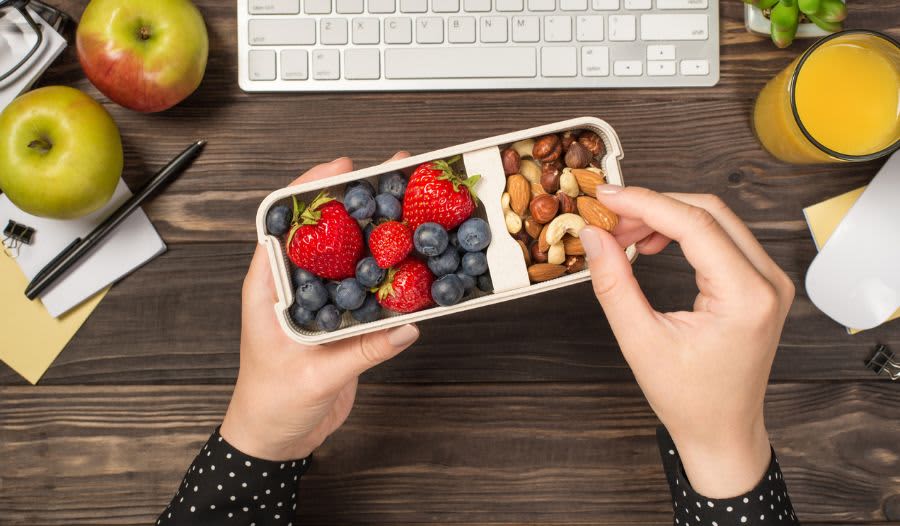
 Table of Contents