Whether you're trying to manage your weight, reduce frequent snacking, or simply stay fuller between meals, you've probably wondered whether appetite suppressants actually work.
From prescription medications to fiber supplements, coffee, herbal extracts, and even apple cider vinegar, there are countless products claiming to help reduce hunger. But not all appetite suppressants work the same way, and many have far stronger scientific evidence than others.
One important thing to remember is that hunger isn't simply about having an empty stomach. Appetite is regulated by a complex network involving the brain, digestive system, hormones, and even the gut microbiome. Hormones such as glucagon-like peptide-1 (GLP-1), peptide YY (PYY), ghrelin, leptin, insulin, and cholecystokinin (CCK) constantly communicate with the brain to determine when you feel hungry or satisfied. Recent research also highlights that food choices, meal timing, dietary fiber, and gut bacteria all influence these signaling pathways.
While no supplement replaces healthy eating habits, some natural strategies may help support fullness, making it easier to maintain balanced eating patterns. Others offer little benefit or may carry unnecessary risks.
This guide explores what current research says about appetite suppressants, what's considered safe, and which natural options have the strongest evidence.
Key Takeaways
- Appetite is regulated by hormones, the brain, the digestive system, and the gut microbiome, not willpower alone.
- Natural approaches such as dietary fiber, protein-rich meals, adequate hydration, and certain supplements may help increase feelings of fullness.
- Prescription medications generally produce greater appetite suppression than over-the-counter products but require medical supervision.
- Coffee and caffeine may temporarily reduce appetite for some people, although effects are usually modest.
- Nicotine is not a safe or recommended strategy for appetite control because of its significant health risks.
- Supporting your body's natural GLP-1 response through nutrition may complement healthy lifestyle habits.
- Sustainable weight management depends on overall dietary patterns, physical activity, sleep, and long-term habits rather than relying on a single supplement.
What are appetite suppressants, and how do they work?
An appetite suppressant is anything that helps reduce feelings of hunger or increases feelings of fullness, making it easier to eat less without feeling deprived.
Appetite suppressants generally work through one or more of four major mechanisms:
- Influencing hunger hormones
- Slowing stomach emptying
- Increasing stomach volume
- Acting on brain pathways involved in appetite and food reward
The body's appetite regulation system is remarkably sophisticated. Before meals, the stomach releases ghrelin, often called the "hunger hormone," which signals the brain that it's time to eat. After eating, hormones including GLP-1, PYY, and CCK help promote satiety while reducing further food intake. Meanwhile, fat tissue releases leptin, which helps communicate long-term energy stores to the brain.
Researchers now recognize that appetite involves both physical hunger and hedonic hunger.
Physical hunger develops because the body requires energy. Hedonic hunger, on the other hand, is driven by pleasure, cravings, emotions, or environmental cues, even when energy needs have already been met. This explains why it's possible to feel "full" after dinner but still crave dessert.
Emerging evidence also highlights the important role of the gut microbiome. Dietary fiber is fermented by beneficial gut bacteria into short-chain fatty acids, which can stimulate the release of GLP-1 and PYY, supporting feelings of fullness.
Rather than completely eliminating hunger, which wouldn't be healthy, the goal of most appetite suppressants is to help people feel comfortably satisfied for longer between meals.
Do appetite suppressants actually help with weight management?
The short answer is: they can help, but they aren't magic.
Reducing appetite may naturally lead to eating fewer calories, which can support weight management over time. However, appetite suppression alone doesn't guarantee weight loss.
Research consistently shows that appetite suppressants work best when combined with a balanced eating pattern, regular physical activity, adequate sleep, and other healthy lifestyle habits. Even prescription medications are recommended alongside nutrition and lifestyle changes rather than as stand-alone treatments.
The amount of weight someone loses also depends on the type of appetite suppressant.
Prescription medications that target appetite-regulating pathways generally produce the largest effects because they directly influence hormonal signaling involved in satiety.
Natural supplements, on the other hand, often produce smaller and more variable results. According to a recent review published in Nutrition Reviews, many natural appetite-suppressing strategies have biologically plausible mechanisms, but clinical studies generally report modest, short-term benefits. Researchers also noted considerable differences between studies, making it difficult to draw firm conclusions about many ingredients.
This doesn't mean natural approaches aren't worthwhile. Instead, they may be most helpful as part of an overall healthy lifestyle rather than serving as a replacement for one.
How can you suppress appetite naturally without pills?
Many everyday habits may help promote fullness naturally without relying on supplements.
Some of the most evidence-supported strategies include:
Meals rich in protein and fiber generally remain in the stomach longer than refined carbohydrates, helping support fullness between meals.
Dietary patterns also matter. Research suggests that foods requiring more chewing, containing higher water content, or having greater volume may naturally increase satiety while providing fewer calories.
Does Drinking Water Suppress Appetite?
Drinking water before meals may help some people feel fuller.
Water increases stomach volume, temporarily stretching receptors in the stomach that communicate fullness to the brain. Some studies suggest drinking water before meals may modestly reduce calorie intake during that meal, particularly among middle-aged and older adults.
However, water doesn't directly alter appetite hormones in the same way as dietary fiber or GLP-1-targeting medications. Its effects are generally temporary.
Staying hydrated remains an important part of overall health, and thirst can sometimes be mistaken for hunger.
Does Apple Cider Vinegar Suppress Appetite?
Apple cider vinegar is frequently promoted for appetite control, but current evidence remains mixed.
Some studies suggest vinegar may slow stomach emptying or modestly increase feelings of fullness after meals. Others show little meaningful benefit. Researchers continue to investigate whether acetic acid, the primary active component, plays a significant role in appetite regulation.
Overall, current evidence does not support apple cider vinegar as a reliable stand-alone appetite suppressant.
Because vinegar is acidic, it should always be diluted before consumption and may not be appropriate for everyone, particularly those with digestive conditions or certain medications.
Does caffeine or coffee suppress appetite?
Coffee has long been associated with appetite suppression, and there's some scientific evidence supporting this observation.
Caffeine stimulates the central nervous system and may temporarily reduce hunger while slightly increasing energy expenditure. Some studies also suggest caffeine influences hormones involved in appetite regulation, although findings remain inconsistent.
Researchers believe caffeine's effects likely result from several overlapping mechanisms, including changes in brain signaling, increased alertness, and possible effects on gut hormones. However, the degree of appetite suppression varies considerably between individuals.
For many people, any reduction in hunger is relatively short-lived.
Is Coffee an Appetite Suppressant or Just a Stimulant?
The answer is both.
Coffee primarily acts as a stimulant because caffeine blocks adenosine receptors in the brain, increasing alertness and reducing fatigue.
Some individuals also experience a temporary decrease in appetite after drinking coffee, particularly before meals. However, this effect usually lasts only a few hours and shouldn't be relied upon as a primary weight management strategy.
It's also important to consider what goes into your coffee. Drinks high in added sugars and creams can quickly add calories that outweigh any potential appetite-related benefits.
Does nicotine suppress appetite, and why isn't it a strategy?
Nicotine has long been known to reduce appetite, which partly explains why some people notice weight gain after quitting smoking. Nicotine stimulates receptors in the brain that influence appetite-regulating pathways and can temporarily decrease feelings of hunger. It may also slightly increase energy expenditure, contributing to short-term changes in body weight.
However, using nicotine as a weight-management strategy is not recommended.
Any temporary reduction in appetite is far outweighed by the well-established health risks associated with smoking and nicotine dependence. Tobacco use is linked to numerous chronic diseases, and nicotine-containing products can increase heart rate and blood pressure while reinforcing addiction.
Some people also assume vaping is a safer way to suppress appetite. Although vaping eliminates many of the harmful chemicals produced by burning tobacco, nicotine itself remains addictive and is not considered an appropriate tool for healthy weight management.
If you're trying to manage your appetite after quitting smoking or nicotine products, it's common to notice an increase in hunger during the first several weeks. Fortunately, this is often temporary.
Strategies that may help during this transition include:
- Eating protein-rich meals and snacks
- Increasing dietary fiber intake
- Drinking plenty of water
- Staying physically active
- Practicing mindful eating to distinguish physical hunger from cravings
These habits support fullness while promoting overall health without the risks associated with nicotine use.
Instead of relying on nicotine, experts recommend focusing on sustainable lifestyle strategies, including balanced nutrition, regular physical activity, adequate sleep, and stress management that support long-term appetite regulation and overall well-being.
What's the difference between prescription, OTC, and natural appetite suppressants?
Not all appetite suppressants work the same way. Understanding the differences can help you make informed decisions and have productive conversations with your healthcare provider.
Prescription Appetite Suppressants
Prescription medications are regulated as drugs and are intended for people who meet specific medical criteria. They typically work by targeting appetite-regulating hormones or brain pathways involved in hunger and satiety.
Examples include medications that:
- Mimic glucagon-like peptide-1 (GLP-1) activity
- Affect neurotransmitters involved in appetite regulation
- Slow stomach emptying helps people feel full longer
Because these medications can cause side effects and interact with other medications, they should only be used under medical supervision.
Over-the-Counter (OTC) Appetite Suppressants
Over-the-counter products generally contain ingredients such as dietary fiber, caffeine, or plant extracts. While some ingredients have encouraging research, the scientific evidence varies widely, and effects are generally more modest than prescription medications.
Many herbal ingredients marketed for appetite control have biological mechanisms that appear promising in laboratory studies, but human clinical trials often produce mixed or inconsistent results.
Natural Appetite Suppressants
Natural approaches include foods, beverages, and dietary supplements that may support fullness without acting like medications.
Examples include:
- Dietary fiber
- Protein-rich foods
- Water
- Coffee
- Green tea
- Certain botanical extracts
Recent reviews conclude that natural appetite-support strategies may be useful as part of a comprehensive lifestyle plan, but they should generally be viewed as complementary rather than stand-alone solutions.
Does phentermine burn fat or just suppress appetite?
Phentermine is one of the most commonly prescribed medications for short-term weight management.
Despite its popularity, phentermine does not directly burn fat.
Instead, it primarily works by decreasing appetite through its effects on the central nervous system. By helping people feel less hungry, it may reduce calorie intake, which can contribute to weight loss over time.
Phentermine is typically prescribed for short-term use because prolonged use may increase the risk of side effects or reduced effectiveness. It may also increase heart rate, blood pressure, nervousness, or difficulty sleeping, making medical supervision important.
It's worth remembering that any fat loss that occurs while taking phentermine results from maintaining a calorie deficit, not because the medication directly breaks down fat cells.
How does GLP-1 control appetite, and can you support it naturally?
GLP-1 has become one of the most talked-about hormones in weight management, and for good reason.
Glucagon-like peptide-1 (GLP-1) is a hormone naturally released by specialized cells in the intestine after eating. It helps coordinate several processes that promote satiety, including:
- Slowing stomach emptying
- Increasing feelings of fullness
- Reducing appetite
- Supporting healthy blood sugar regulation after meals
GLP-1 communicates with appetite centers in the brain, helping signal that you've eaten enough. Recent prescription medications mimic or enhance GLP-1 activity, which explains why they can substantially reduce appetite.
Can You Support GLP-1 Naturally?
While no food or supplement works like prescription GLP-1 medications, several dietary habits may support your body's natural GLP-1 response.
Research suggests these habits may help:
- Eating enough dietary fiber
- Prioritizing protein at meals
- Consuming minimally processed foods
- Supporting a healthy gut microbiome
- Eating balanced meals consistently
When dietary fiber is fermented by beneficial gut bacteria, it produces short-chain fatty acids that stimulate intestinal cells to release GLP-1 and peptide YY (PYY), two hormones associated with fullness.
Although these natural approaches generally produce smaller effects than prescription medications, they may support long-term healthy eating habits.
What are the best natural appetite suppressant supplements, according to evidence?
Many supplements are marketed as appetite suppressants, but the strength of scientific evidence varies considerably.
Current research suggests that some ingredients have more supportive evidence than others.
Dietary Fiber
Among natural options, dietary fiber has some of the strongest evidence for supporting fullness.
Fiber works through several complementary mechanisms:
- Expands after absorbing water
- Slows stomach emptying
- Increases meal volume
- Promotes GLP-1 and PYY release through fermentation in the colon
Multiple randomized controlled trials have shown that increasing dietary fiber intake can reduce hunger, improve satiety, and modestly decrease calorie intake. However, individual responses vary, and the degree of weight loss is typically modest.
Green Tea
Green tea contains both caffeine and naturally occurring plant compounds called catechins.
While green tea is often promoted for weight management, research suggests any appetite-related effects are generally modest and may partly result from its caffeine content.
Herbal Ingredients
A variety of herbal ingredients, including Garcinia species, Caralluma species, Hoodia species, Gymnema sylvestre, and Griffonia simplicifolia, have been investigated for appetite regulation.
Some appear biologically plausible based on laboratory and early clinical studies. Proposed mechanisms include influencing serotonin signaling, improving leptin sensitivity, or reducing sweet taste perception. However, researchers emphasize that clinical evidence remains inconsistent, long-term safety data are limited for some ingredients, and product quality may vary considerably.
For these reasons, herbal supplements should be viewed as potential adjuncts rather than guaranteed solutions.
Does Fiber Suppress Appetite, and How Much Do You Need?
Yes, fiber is one of the best-supported natural appetite suppressants.
Soluble fibers absorb water and form a gel-like consistency inside the digestive tract, helping meals empty from the stomach more slowly while increasing fullness.
Fiber fermentation also supports the production of short-chain fatty acids, which stimulate GLP-1 and PYY secretion, two hormones involved in satiety.
Most adults do not consume enough fiber. Increasing intake gradually while drinking adequate water may help minimize digestive discomfort.
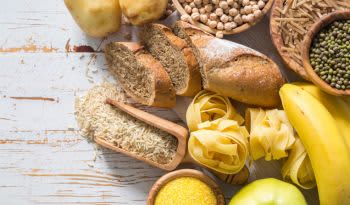
Good food sources include:
Fiber supplements may also be an option for individuals who struggle to meet their daily intake through food.
Which foods can help naturally suppress appetite?
No single food completely suppresses appetite, but some foods promote fullness much better than others.
Foods that tend to be the most satisfying combine protein, fiber, water, and healthy fats.
Examples include:
- Greek yogurt
- Eggs
- Oatmeal
- Lentils
- Beans
- Apples
- Berries
- Avocados
- Chia seeds
- Leafy greens
- Soups made with vegetables and legumes
Whole foods generally require more chewing and take longer to digest than highly processed foods, both of which may contribute to increased satiety.
Emerging research also suggests that meal structure matters. Meals containing adequate protein, fiber, and volume may support appetite regulation better than meals high in refined carbohydrates alone.
How long does it take for an appetite suppressant to work?
The timeline depends on the type of appetite suppressant.
Some approaches work within minutes, while others require consistent use over several weeks.
For example:
- Water may temporarily increase fullness before a meal.
- Coffee may reduce appetite for several hours in some individuals.
- Fiber supplements often work during the meal in which they're consumed.
- Prescription medications may require several weeks before their full effects become noticeable.
Natural supplements may also take time to produce measurable benefits, particularly when they work by supporting healthy dietary habits rather than directly affecting appetite hormones.
Should You Take Appetite Suppressants on an Empty Stomach?
It depends on the product.
Some supplements are designed to be taken before meals with water to promote fullness, while others may be better tolerated with food.
Always follow the directions provided on the product label, and consult a healthcare professional if you have questions, especially if you're taking medications or have underlying medical conditions.
What are the side effects, and how long can you use them safely?
Like any supplement or medication, appetite suppressants can cause side effects. The type and severity depend on the ingredient, dosage, and individual response.
For example:
- Prescription medications may cause nausea, constipation, vomiting, diarrhea, headache, or changes in heart rate, depending on the medication.
- Caffeine-containing products may contribute to jitteriness, anxiety, rapid heartbeat, or difficulty sleeping, particularly in sensitive individuals or at higher intakes.
- Fiber supplements may cause temporary bloating or gas, especially if intake is increased too quickly. Drinking enough water and increasing fiber gradually can help minimize digestive discomfort.
- Herbal supplements vary considerably in both quality and safety. While many have long histories of traditional use, scientific evidence supporting long-term safety is limited for some ingredients. Certain botanicals, including Garcinia species, have been associated with rare reports of liver injury, although a direct cause-and-effect relationship has not been established in every case.
Natural does not automatically mean risk-free. Supplements can interact with medications or may not be appropriate for everyone, particularly during pregnancy or while managing chronic health conditions.
If you experience persistent side effects after starting a new supplement, discontinue use and consult your healthcare provider.
Can You Build a Tolerance to Appetite Suppressants?
In some cases, yes.
Some stimulant-based appetite suppressants may become less effective over time as the body adapts. This phenomenon is often referred to as tolerance.
Lifestyle factors also influence effectiveness. Poor sleep, chronic stress, frequent consumption of highly processed foods, and inconsistent eating patterns may override the appetite-regulating effects of certain supplements.
For this reason, experts generally recommend viewing appetite suppressants as one part of a broader nutrition and lifestyle plan rather than relying on them indefinitely.
Are fat burners the same as appetite suppressants?
Although these terms are often used interchangeably, they describe two different approaches.
Appetite suppressants aim to reduce hunger or increase feelings of fullness, helping support lower calorie intake.
Fat burners, on the other hand, are marketed to increase energy expenditure or influence how the body uses stored energy. Many products combine ingredients such as caffeine, green tea extract, capsaicin, or other plant compounds.
Some supplements contain ingredients intended to support both appetite regulation and energy metabolism, but scientific evidence supporting these combined effects varies considerably.
Neither category replaces the importance of a balanced eating pattern, regular physical activity, adequate sleep, and long-term healthy habits.
Why am I still hungry? emotional hunger vs. physical hunger
Feeling hungry isn't always a sign that your body needs more food.
Learning to recognize the difference between physical hunger and emotional hunger can be an important step toward building sustainable eating habits.
Physical Hunger
Physical hunger develops gradually and reflects the body's need for energy.
Signs of physical hunger may include:
- Stomach growling
- Low energy
- Difficulty concentrating
- Feeling satisfied after eating
Emotional Hunger
Emotional hunger often appears suddenly and may be triggered by:
- Stress
- Boredom
- Anxiety
- Fatigue
- Social situations
- Habit
- Food cravings
Unlike physical hunger, emotional hunger often persists even after eating and is more likely to involve highly palatable foods.
Recent research also recognizes the role of hedonic hunger, the desire to eat for pleasure rather than energy needs. The brain's reward pathways can sometimes override normal satiety signals, making it possible to crave food despite being physically full.
Simple strategies that may help include:
- Eating regular, balanced meals
- Prioritizing protein and fiber
- Practicing mindful eating
- Managing stress
- Getting enough sleep
- Keeping healthy snacks readily available
Developing awareness of hunger patterns can often be just as valuable as choosing the right supplement.
When should you talk to a doctor about appetite and weight loss?
Changes in appetite are common and can occur for many reasons, including changes in routine, stress, sleep, medications, or dietary habits.
However, it's a good idea to speak with a healthcare professional if you experience:
- Persistent changes in appetite without an obvious cause
- Unintentional weight loss or rapid weight gain
- Difficulty maintaining adequate nutrition
- Concerns about emotional eating
- Side effects from supplements or medications
- Questions about prescription weight-management options
A healthcare provider can help identify potential underlying causes and determine whether lifestyle changes, nutrition counseling, or medical therapies may be appropriate.
FAQ
Do appetite suppressants really work?
Some do. Prescription medications generally produce the greatest effects on appetite, while natural approaches such as dietary fiber, protein-rich meals, and adequate hydration may provide more modest support as part of an overall healthy lifestyle.
What is the best natural appetite suppressant?
Dietary fiber has some of the strongest scientific evidence among natural options. It helps increase fullness by slowing digestion and supporting the release of satiety hormones such as GLP-1 and peptide YY.
Does coffee suppress appetite?
Coffee may temporarily reduce appetite for some people because of its caffeine content, although the effect is generally short-lived and varies between individuals.
Does drinking water suppress appetite?
Drinking water before meals may temporarily increase feelings of fullness for some people, but it is not a long-term appetite suppressant.
Are herbal appetite suppressants safe?
Some herbal ingredients have been studied for appetite regulation, but evidence varies, and long-term safety has not been established for many products. It's important to choose high-quality supplements and discuss their use with a healthcare provider if you take medications or have medical conditions.
Do GLP-1 medications permanently reduce appetite?
No. These medications work while they are being used. Appetite regulation may change after treatment is discontinued, highlighting the importance of maintaining healthy lifestyle habits.
How quickly do fiber supplements work?
Fiber supplements may begin promoting fullness during the meal in which they are consumed, although consistent use alongside a balanced diet generally provides the greatest benefits.
Can appetite suppressants replace healthy eating?
No. Appetite suppressants are best viewed as tools that may complement healthy eating habits, regular physical activity, quality sleep, and stress management, not replace them.
Should you take appetite suppressants every day?
The answer depends on the specific product. Always follow the directions on the label or your healthcare provider's recommendations.
Are appetite suppressants the same as weight-loss medications?
No. Some weight-loss medications primarily reduce appetite, while others work through additional mechanisms. Not every appetite suppressant is considered a weight-loss medication.
References:
- Lopez-Delgado DS, Díaz MP, Escalona D, et al. Natural approaches to appetite suppression in obesity: mechanisms, evidence, and clinical integration. Nutr Rev. Published online 2026. doi:10.1093/nutrit/nuag088
- Malik S, Patel S, Kuntawala DH, et al. Herbal appetite suppressants used to aid weight loss. Phytochem Rev. 2025;24:4219-4235.
- Wang M, Guo W, Chen JF. Caffeine: a potential mechanism for anti-obesity. Purinergic Signal. 2025;21:893-909.
- Akhlaghi M. The role of dietary fibers in regulating appetite, an overview of mechanisms and weight consequences. Crit Rev Food Sci Nutr. Published online 2022.
- Xia P, Li B, Yu Y, et al. Dietary strategies for appetite regulation: satiety and obesity management. Food Funct. 2025;16(13):5202-5218.
DISCLAIMER:
These statements have not been approved by the Food and Drug Administration. These products are not intended to diagnose, treat, cure or prevent disease.

























































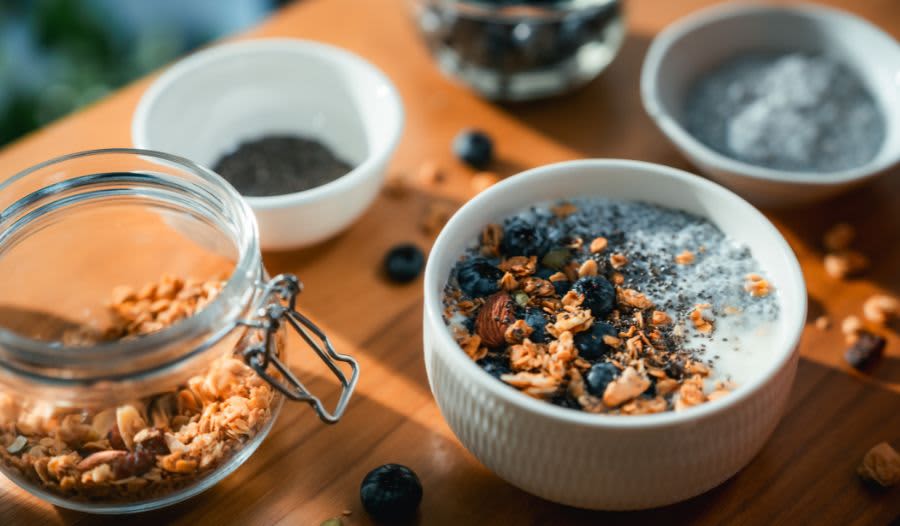
 Table of Contents